3D Rendering Concept of Money Saving: A Creative and Practical Tool for Modern Design
The 3D rendering concept of money saving is a powerful visual tool that combines creativity with practicality. Whether you're a designer, marketer, or business owner, understanding how to use this concept can open up new opportunities for communication, branding, and marketing. In this article, we'll explore what the 3D rendering concept of money saving entails, why it's significant, and how it can be applied in various contexts.
What Is the 3D Rendering Concept of Money Saving?
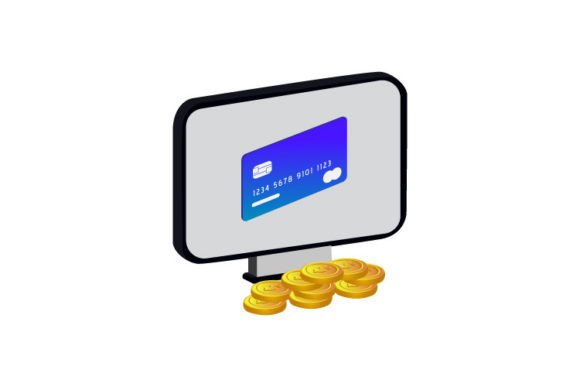
The 3D rendering concept of money saving refers to the use of three-dimensional digital art to visually represent the idea of saving money. This concept often involves creating realistic or stylized images of currency, such as coins, bills, or digital money, rendered in a 3D environment. These visuals are designed to convey the message of financial prudence, smart spending, and long-term savings.
Unlike traditional two-dimensional illustrations, 3D renderings offer depth, texture, and realism that can make the concept of saving money more engaging and relatable. The design can be customized in various formats, including JPG, PNG, and PSD, making it versatile for different applications.
Why 3D Rendering Matters in Financial Communication
Financial topics can sometimes feel abstract or intimidating, especially when discussing budgeting, investing, or saving. However, using 3D rendering helps simplify these concepts by providing a tangible visual representation. For instance, a 3D image of a piggy bank filled with coins can instantly communicate the idea of saving without needing complex explanations.
This visual approach is particularly effective in educational materials, marketing campaigns, and digital content aimed at promoting financial literacy. By making the concept of saving money more accessible, 3D renderings help bridge the gap between theory and real-world application.
The Significance of the 3D Rendering Concept of Money Saving
The significance of the 3D rendering concept of money saving lies in its ability to connect emotionally and intellectually with the audience. It allows designers to create visuals that not only look good but also tell a story about financial responsibility and growth.
In today's fast-paced digital world, where attention spans are short, having a compelling visual can make all the difference. A well-crafted 3D rendering of money-saving concepts can capture the viewer’s interest and encourage them to think about their own financial habits.
How It Enhances Branding and Marketing Efforts
For businesses, the 3D rendering concept of money saving can be a valuable asset in branding and marketing strategies. Companies that promote financial products, such as banks, investment firms, or personal finance apps, can use these visuals to reinforce their messaging around savings and smart spending.
Imagine a banner ad featuring a 3D-rendered image of a wallet overflowing with cash, accompanied by a tagline like “Save More, Spend Wisely.” Such an image can quickly convey the brand's message and resonate with potential customers looking for ways to manage their finances better.
Practical Applications of the 3D Rendering Concept of Money Saving
The versatility of the 3D rendering concept of money saving makes it suitable for a wide range of applications. Here are some common uses:
- Banners and Advertising: High-quality 3D renderings can be used in online and print advertisements to attract attention and promote financial services or products.
- Website Design: Incorporating 3D visuals into website layouts can enhance user experience and make financial content more engaging.
- Promotional Materials: Posters, flyers, and social media graphics can benefit from 3D renderings that highlight the importance of saving money.
- UI/UX Design: Digital interfaces, such as mobile apps or web platforms, can use 3D elements to guide users toward financial goals and positive behaviors.
- Education and Training: Teachers and educators can use 3D visuals to teach students about personal finance, budgeting, and the value of saving.
Examples of 3D Rendering in Action
To better understand the impact of the 3D rendering concept of money saving, let’s look at a few examples:
- Banking Campaigns: A bank might use a 3D-rendered image of a growing savings account to illustrate the benefits of regular contributions and compound interest.
- Investment Platforms: An app focused on investment education could feature a 3D visualization of a growing portfolio, helping users visualize their financial growth over time.
- Personal Finance Blogs: Bloggers might use 3D visuals to explain complex financial concepts, such as retirement planning or debt management, in a more digestible format.
Understanding the Design Files: JPG, PNG, and PSD
When working with the 3D rendering concept of money saving, it's essential to understand the different file formats available:
- JPG: Ideal for web use due to its small file size and high quality. It's perfect for banners, social media posts, and other online content.
- PNG: Offers transparency and higher quality than JPG, making it suitable for logos, icons, and other graphics that need to blend seamlessly with backgrounds.
- PSD: A layered file format used in Adobe Photoshop, allowing for further customization and editing. This is useful for designers who want to modify the original artwork.
Each format has its advantages, and choosing the right one depends on the intended use of the design.
Common Misconceptions About 3D Rendering and Money Saving
There are several misconceptions surrounding the use of 3D rendering in financial contexts. One common assumption is that 3D visuals are only for entertainment or gaming. However, as we've seen, they have real-world applications in education, marketing, and design.
Another misconception is that 3D rendering is too complex or expensive to produce. While professional-grade renderings may require specialized tools, many affordable options and templates are available for those who want to create their own visuals.
Conclusion: Embracing the Power of 3D Rendering in Financial Communication
The 3D rendering concept of money saving is more than just a visual trend—it's a valuable tool that can enhance communication, education, and marketing efforts. By combining creativity with practicality, these designs help make financial concepts more accessible and engaging for a wide audience.
Whether you're a designer looking to expand your skill set or a business owner seeking to improve your marketing strategy, understanding and utilizing the 3D rendering concept of money saving can provide significant benefits. With the right tools and knowledge, you can create visuals that inspire, inform, and empower others to take control of their financial future.