3D Rendered Magnifying Glass: A Powerful Tool for Design and Innovation
In the world of design, research, and digital exploration, a 3D rendered magnifying glass has become more than just a visual element—it's a symbol of discovery, analysis, and precision. Whether you're working on a web interface, a scientific study, or an educational project, the 3D rendered magnifying glass serves as a versatile tool that enhances both functionality and aesthetics. This article explores how this iconic image can be leveraged in various contexts, offering practical solutions and insights for designers, developers, and researchers alike.
Understanding the 3D Rendered Magnifying Glass
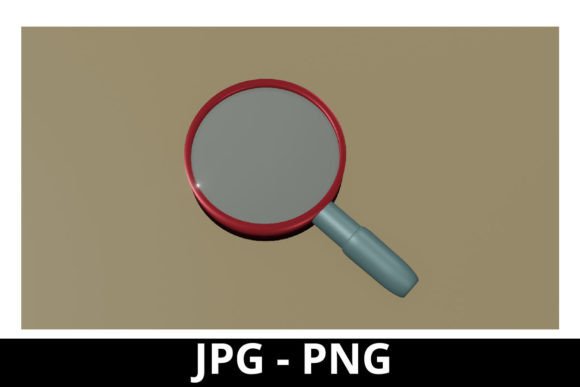
A 3D rendered magnifying glass is a digitally created representation of a physical magnifier, designed to appear lifelike and realistic. It is often used in graphic design, UI/UX development, and digital content creation to represent tools for search, zoom, and detailed examination. The 3D rendering process allows for intricate details such as reflections, textures, and lighting effects, making the magnifying glass not only functional but also visually engaging.
These renderings come in multiple formats, including JPG, PNG, and vector files, ensuring compatibility across different platforms and applications. The inclusion of a 3D model allows for dynamic use in mockups, animations, and interactive elements, making it a valuable resource for professionals in fields like web design, app development, and marketing.
Challenges and Needs in Modern Design
Designers and developers often face challenges when creating interfaces that require users to explore information in detail. Whether it's a browser feature, a data visualization tool, or an educational application, the need for intuitive navigation and clear interaction is critical. Traditional icons may lack the depth and realism needed to convey complex functions effectively.
This is where the 3D rendered magnifying glass comes into play. Its realistic appearance and detailed design make it an ideal choice for representing search, zoom, and analytical functions. It provides a visual cue that users can easily recognize, improving usability and user experience.
How 3D Rendered Magnifying Glass Can Help
The 3D rendered magnifying glass is particularly useful in scenarios where clarity and precision are essential. For example, in scientific research, a magnifying glass icon can be used to indicate tools for data analysis or microscopic observation. In education, it can serve as a symbol for learning and discovery, helping students understand the importance of detailed examination.
For web and app designers, incorporating a 3D rendered magnifying glass into the interface can enhance the visual appeal while maintaining functionality. It can be used as a button, a background element, or part of a larger design system. The minimalistic approach of the design ensures it blends well with other elements without overwhelming the user.
Practical Applications and Outcomes
The versatility of the 3D rendered magnifying glass makes it suitable for a wide range of applications. In the field of business, it can be used in dashboards and analytics tools to represent data exploration. In the realm of technology, it can be integrated into software interfaces to indicate search or zoom functions.
For educators, using a 3D rendered magnifying glass in digital textbooks or e-learning modules can help illustrate concepts related to observation and investigation. In the context of digital marketing, it can be part of a campaign that emphasizes the importance of detailed research and analysis.
Examples and Recommendations
One practical example is the use of a 3D rendered magnifying glass in a mobile app designed for product searches. By incorporating a realistic magnifying glass icon, users can quickly identify the search function, improving the overall user experience. Similarly, in a web-based research platform, the magnifying glass can serve as a visual indicator for advanced search options.
When selecting a 3D rendered magnifying glass for your project, consider the style and purpose of your design. A minimalist version may be more appropriate for a clean, modern interface, while a more detailed and realistic version could work well for educational or scientific contexts. Always ensure that the chosen design aligns with the overall aesthetic and functionality of your project.
Considering Different User Approaches
Users may approach the use of a 3D rendered magnifying glass in various ways depending on their needs and goals. A designer might focus on the visual aspects, ensuring the magnifying glass fits seamlessly into the design language. A developer, on the other hand, may prioritize the technical implementation, ensuring the asset is optimized for performance and scalability.
For researchers and analysts, the 3D rendered magnifying glass can serve as a powerful symbol of investigative work, reinforcing the idea of careful examination and critical thinking. In contrast, a marketer might use it to highlight the value of detailed research and customer insights.
Conclusion
The 3D rendered magnifying glass is more than just a visual element—it's a tool that supports exploration, analysis, and discovery in a variety of contexts. Whether you're designing a website, developing an app, or conducting research, this realistic and versatile icon can enhance your project by providing clarity, functionality, and visual appeal. By understanding its potential and applying it thoughtfully, you can create more effective and engaging designs that meet the needs of your audience.